Solar energy has become one of the best investments for the home. In recent years, more and more people are considering installing solar panels on their homes. Rising electricity prices and increased awareness of energy consumption have led many families to look for alternatives to reduce their electricity bills.
But there is one question that always comes up before taking the plunge:
How much can I save by installing solar panels on my home?
The answer depends on several factors, but what is certain is that in most cases the savings are significant and are noticeable from the first few months.
In this blog article we explain clearly what savings you can expect and what they depend on. Take note
Average savings with a solar panel installation on a home
According to research carried out by Sifre Energy Construction through published studies, in an average single-family home in Spain, a well-dimensioned self-consumption installation can save between 50 % and 80 % on the electricity bill.
This means that if a family pays approximately 120 € per month for electricity, after installing solar panels it could reduce its expenditure to about 30 € or 60 € per month, depending on its consumption and how it uses the energy generated.
Throughout the year, savings can be approximately between:
- 600 € and 1,200 € per year
Considering that the lifetime of solar panels exceeds 25 years, we are talking about an investment that can generate tens of thousands of euros in long-term energy savings.
Factors influencing savings by installing solar panels
Although solar panels always help reduce electricity bills, the exact savings depend on several variables.
1. Electricity consumption in the home
The more electricity a home consumes, the greater the impact of self-consumption.
Household appliances, air conditioning, swimming pools, electric vehicles or air conditioning systems directly influence the savings that can be achieved.
2. Orientation and available roof space.
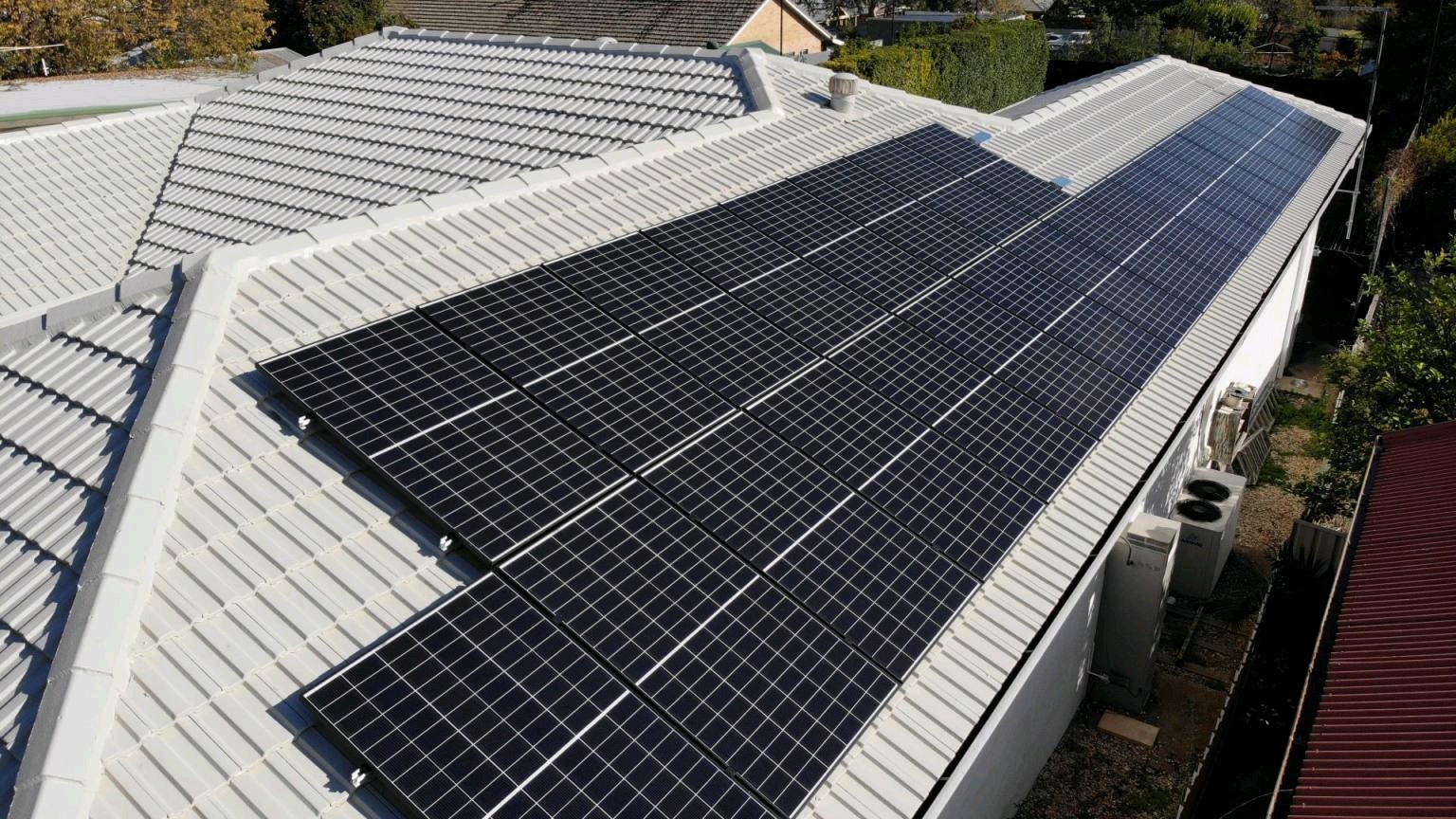
Energy production depends largely on the orientation and pitch of the roof.
South-facing roofs usually offer the best performance, although east- or west-facing installations can also generate very good results if they are well designed.
A preliminary study makes it possible to calculate how many panels can be installed and how much energy they will produce.
3. Consumption habits
One of the most important aspects of self-consumption is to take advantage of the energy when it is being produced.
For example:
- Running washing machines or dishwashers during the day
- Scheduling air conditioning systems during daylight hours
- Charging electric vehicles during solar production
Small changes in habits can significantly increase savings.
4. Compensation for surplus
When a solar installation generates more energy than is consumed at the time, the surplus can be fed into the grid and offset on the bill.
This further reduces the monthly cost of electricity.
When is it worth installing solar batteries?
In many cases, incorporating batteries into a solar installation can make a big difference in energy savings. Batteries make it possible to store the energy generated by the panels during the day for use later, when it is really needed.
This is especially interesting for people who spend a large part of the day away from home for work and concentrate their electricity consumption in the afternoon or evening. Washing machines, dishwashers, cooking, lighting or air conditioning are often used precisely at those times when there is no more solar production.
With a battery system, the energy that your home generates during the day is not lost or fed into the grid, but is stored for you to use when you get home. In this way, you considerably increase your level of self-consumption, further reduce your electricity bill and make the most of the energy produced by your solar panels.
Therefore, when designing a photovoltaic installation, it is essential to analyze the consumption habits of each household. In many cases, incorporating batteries not only improves the efficiency of the system, but also makes it possible to get the most out of the investment in solar energy.
How many years does a solar panel installation pay for itself? The big question.
Today, thanks to lower panel prices and improved technology, a solar home system usually pays for itself in approximately between:
4 and 7 years.
From that moment on, the energy generated by the panels is practically direct savings for the owner.
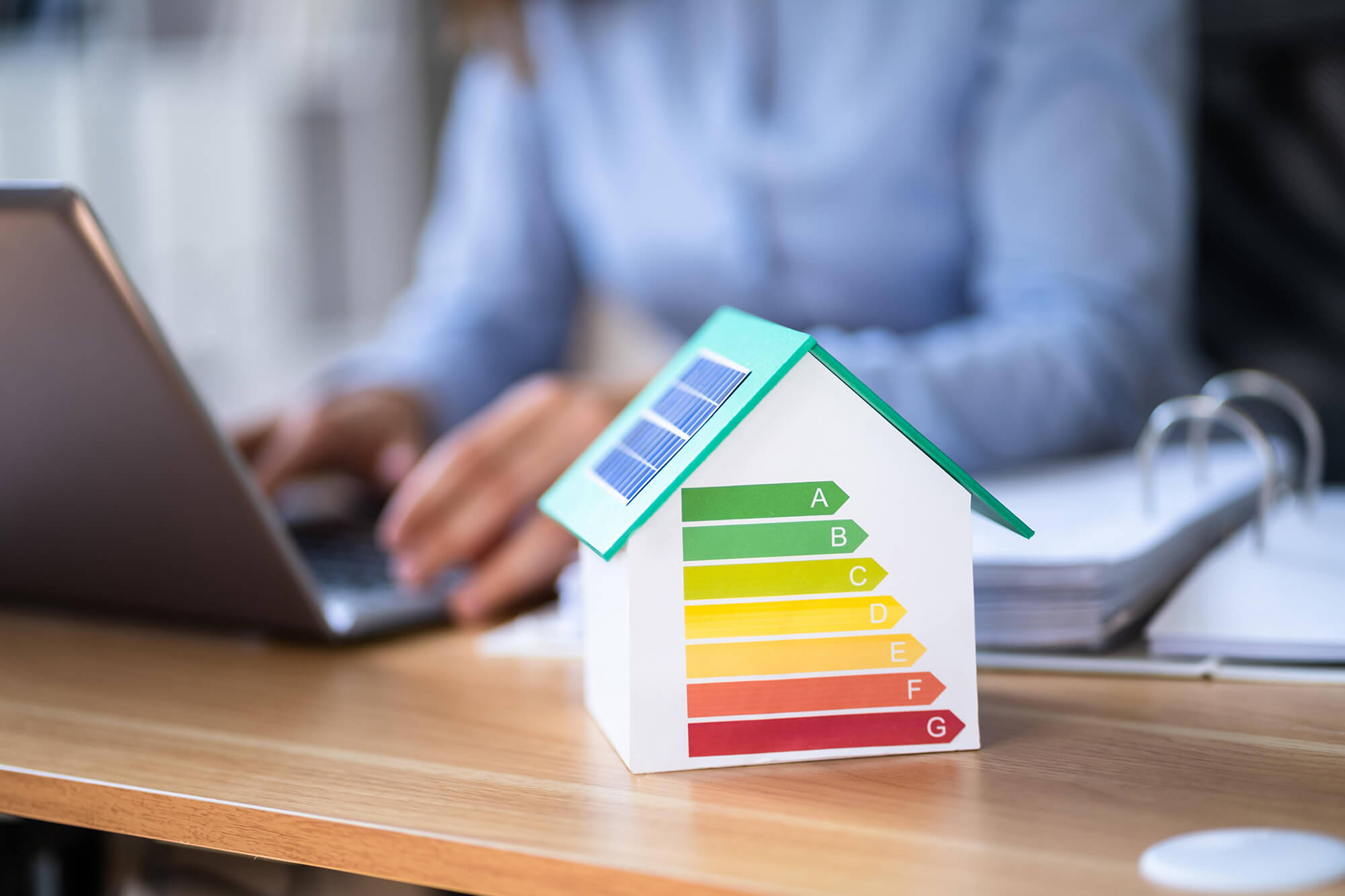
In addition, installing solar energy also increases the value of the home and improves its energy efficiency.
An investment that benefits your pocket and the planet
Beyond the economic savings, opting for solar energy also has a positive impact on the environment.
Each photovoltaic installation reduces dependence on polluting energies and contributes to a more sustainable energy model.
This is why more and more households are opting for energy self-consumption solutions, combining efficiency, sustainability and savings.
Do you want to know how much you could save by installing solar panels on your home?
Each home is different, so the best way to know the real savings is to carry out a personalized study of the installation.
At Sifre Energy Construction we analyze your consumption, your roof and your energy needs to design an efficient, cost-effective solar installation adapted to your home.
If you are thinking about installing solar panels or want to know how much you could save in your specific case, please contact our team. We will be happy to advise you and help you take the step towards a more efficient energy.